
BrewDog’s Equity for Punks scheme is often held up as a bold alternative to traditional business funding. Thousands of ordinary people bought shares, believing they were backing an independent, anti-corporate brewery that was taking on the big boys of the beer world.
I was one of them. I put about £300 into Equity for Punks, not because I expected to retire on it, but because the story made sense at the time.
The question people now ask isn’t whether Equity for Punks was risky — all early-stage investing is — but whether it crossed the line into something that felt misleading. Not a scam in the criminal sense, but something that left many small investors feeling used rather than included.
To answer that properly, you have to separate what BrewDog legally did from what it culturally and commercially represented itself as.
What Equity For Punks Actually Was
Equity for Punks launched in 2009 as a form of equity crowdfunding, long before it became mainstream. Instead of going cap in hand to banks or venture capital firms, BrewDog invited the public to buy shares directly in the business.
Over multiple funding rounds, more than 100,000 people invested. In return, they received shares in a private company and a range of perks, including beer discounts, free drinks in bars, and early access to products.
From a legal and regulatory perspective, the scheme did what it said it would do. Investors received shares. The risks were disclosed. BrewDog raised capital and expanded rapidly.
On paper, that is not a scam.
The problem lies in how the scheme was framed, and what many people believed they were buying into.
The Independent Punk Image Versus The Reality
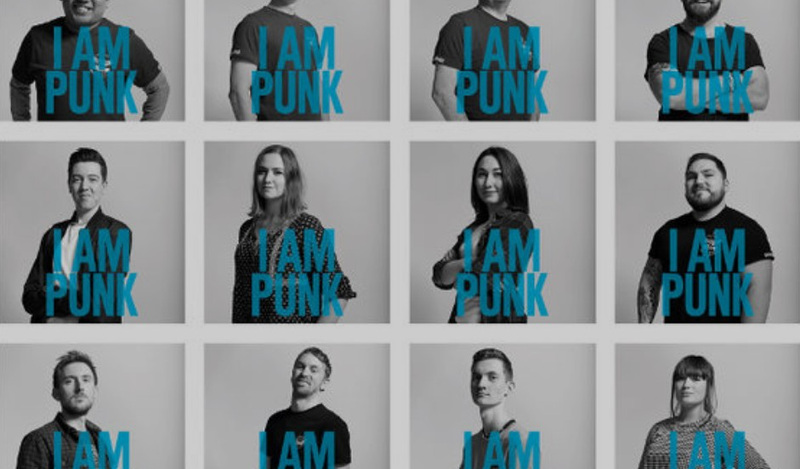
BrewDog didn’t just sell beer or shares. It sold an identity.
The founders positioned themselves as outsiders: anti-corporate, anti-establishment, and openly hostile to “big beer”. The branding was confrontational, the messaging aggressive, and the language deliberately rebellious.
Equity for Punks leaned heavily into that image. Buying shares wasn’t presented as a dry financial decision. It was framed as joining a movement, backing independence, and sticking two fingers up at multinational brewers.
The issue is that BrewDog was never really operating like a scrappy outsider for very long. It scaled aggressively, pursued global expansion, opened hundreds of bars, and ultimately accepted private equity investment in 2017.
At that point, BrewDog became what it had spent years positioning itself against: a large, corporate, profit-driven consumer brand.
There is nothing inherently wrong with that. Businesses grow. Strategies change. The problem is that BrewDog continued to trade on the cultural clout of independence long after the underlying reality had shifted.
It wanted the credibility of being “punk” while enjoying the financial advantages of corporate capitalism.
How Small Investors Were Left Exposed
One of the strongest criticisms of Equity for Punks centres on what happened after BrewDog took money from private equity firm TSG Consumer Partners.
Those investors received preferred shares with senior rights and a guaranteed compounding return. In simple terms, they get paid first in the event of a sale or flotation.
Equity for Punks investors, by contrast, hold ordinary shares. If BrewDog were sold or listed, the preferred shareholders would take their cut before ordinary shareholders see anything.
As the value of that preference stack grows, it increasingly absorbs the company’s potential exit value. Analysts have pointed out that this makes it entirely plausible that ordinary shareholders would receive little or nothing from an exit, even if BrewDog were sold for a large sum.
Again, this is not illegal. It is common in private equity. But it sits uncomfortably alongside the idea that Equity for Punks investors were genuine partners rather than a convenient source of early capital and brand loyalty.
This is one of the main reasons people now describe the scheme as feeling like a scam, even if it wasn’t one in law.
The Beer Itself And The Founder Myth
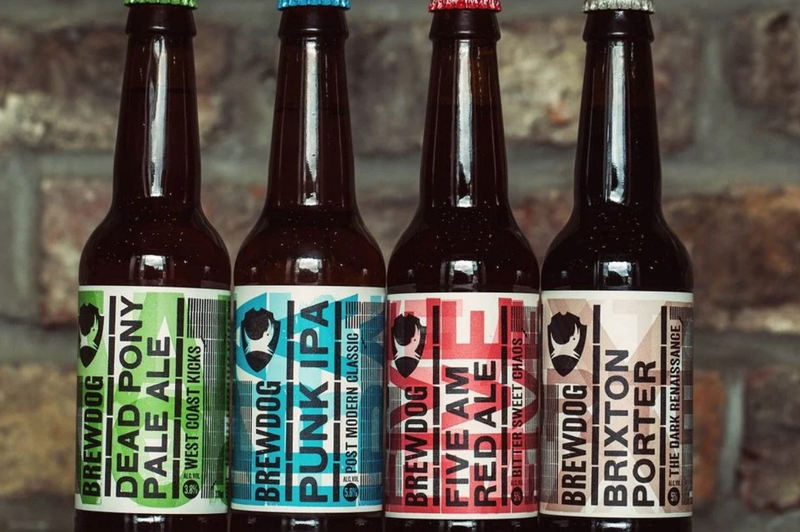
Another part of the BrewDog story that has aged poorly is the idea that its success was driven primarily by exceptional beer made by obsessive craft brewers.
BrewDog’s beer was never universally regarded as bad, but it was rarely regarded as outstanding within the industry either. It did not consistently dominate major international beer competitions in the way genuinely elite craft breweries have.
Within brewing circles, BrewDog was often seen as competent and consistent rather than innovative or technically exceptional. Its strength was scale, branding, and distribution, not brewing breakthroughs.
That matters because BrewDog leaned heavily on the narrative that this was a passion project run by beer lovers, not marketers. In reality, the marketing was doing much more of the heavy lifting than the liquid.
Once you recognise that BrewDog was, first and foremost, a branding machine, Equity for Punks looks less like a community investment and more like a very effective way of monetising loyalty.
Why It Feels Like A Scam To Some Investors
Most Equity for Punks investors did not expect guaranteed returns. Many were realistic about the risks.
What they did expect was alignment. Alignment between the image BrewDog sold, the values it claimed to stand for, and how the business ultimately behaved.
Instead, many ended up with:
- Shares that are difficult or impossible to sell
- Little meaningful influence or transparency
- An ownership stake structurally subordinated to later investors
- A company that no longer resembles the anti-corporate outfit they backed
When you combine that with the continued use of “independent” language and punk aesthetics, it creates a sense that small investors were useful for clout and capital, but not truly valued once bigger money arrived.
That disconnect is what drives the scam accusation, even if the paperwork was technically sound.
So Was Equity For Punks A Scam?
In strict legal terms, no. There has been no finding of fraud, and BrewDog delivered what it said it would in a narrow contractual sense.
In practical and cultural terms, it is harder to defend. Equity for Punks blurred the line between investing and fandom, between ownership and branding. It encouraged people to believe they were backing a rebellious alternative to corporate beer, when in reality they were funding the growth of a very polished mass-market brand.
For many investors, including myself, the £300 wasn’t financially devastating. But it did buy a useful lesson: independence can be a costume, marketing can be more powerful than substance, and being invited to “own” a piece of something doesn’t always mean what it implies.
That is why, years later, people still ask whether Equity for Punks was a scam. Not because they were robbed, but because what they thought they were buying and what they actually bought turned out to be very different things.