
You do not need to be the sort of bloke who spends every Sunday under the bonnet to know your way around a car.
Modern cars are more complicated than they used to be, and plenty of jobs are best left to someone with the right tools and training. But there are still basic maintenance tasks every man should be able to handle without immediately booking into a garage.
Knowing the basics can save money, get you out of trouble and help you spot problems before they become expensive. Not to mention making you look like a boss when you’re one of the few people who can help when things go wrong.
Here are the jobs worth learning.
Check and Top Up the Oil
Engine oil keeps the moving parts inside your engine lubricated and helps prevent excessive wear. Let the level get too low and you can do serious damage to the engine.
Checking it usually takes a couple of minutes. Park on level ground, let the engine cool and locate the dipstick if your car has one. Pull it out, wipe it clean, put it back in fully, then remove it again and check where the oil sits between the minimum and maximum marks.
If it needs topping up, use the correct grade specified by the manufacturer and add a little at a time. Do not just glug half a bottle in and hope for the best.
Some newer cars use an electronic oil-level display, so check the handbook if you are unsure.
Change a Wheel
A flat tyre is annoying. A flat tyre when you have no idea how to change a wheel is considerably more annoying.
If your car has a spare, know where the jack, locking wheel nut key and wheel brace are kept before you need them.
Stop somewhere safe and level, switch on your hazard lights and apply the handbrake. Loosen the wheel nuts slightly before raising the car, use the correct jacking point, then remove the wheel once it is clear of the ground.
Fit the spare, tighten the nuts by hand, lower the car and tighten them properly in the sequence recommended by the manufacturer.
Never get underneath a car supported only by its emergency jack. It is there for changing a wheel, not for crawling underneath and having a poke around.
Check Your Tyre Pressures
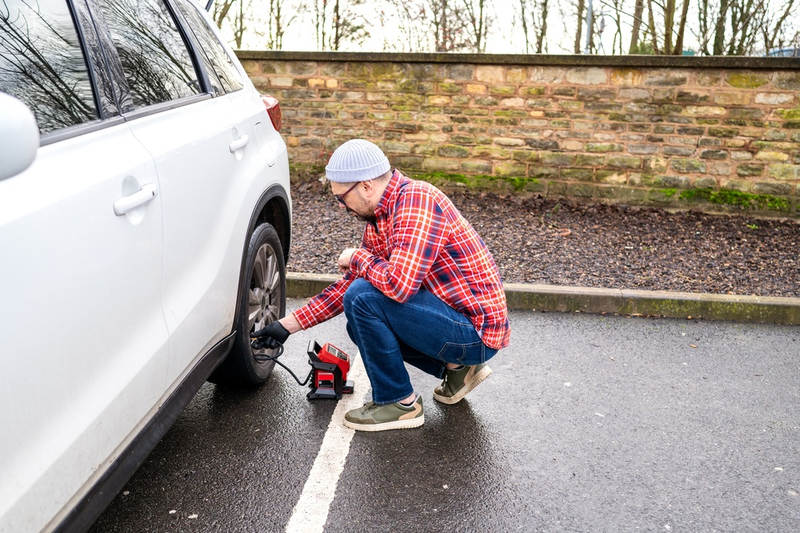
Tyres are the only parts of your car actually touching the road, so looking after them matters.
Incorrect pressures can affect handling, braking, fuel economy and tyre wear. The recommended figures are normally inside the fuel flap, on the driver’s door frame or in the handbook. Check them with a reliable gauge, ideally when the tyres are cold.
While you are there, look for cuts, bulges, cracks and uneven wear.
You should also know how to check tread depth. The UK legal minimum is 1.6mm across the central three-quarters of the tyre around its entire circumference. Waiting until your tyres are virtually bald before replacing them, however, is hardly a badge of honour.
Replace Wiper Blades
If your wipers are smearing water around rather than clearing it, replace them.
It is one of those jobs a garage can charge you for even though it often takes minutes. Blades usually clip, slide or hook onto the wiper arm, although fittings vary.
Just do not let the bare metal arm snap back onto the windscreen while the blade is removed. That can turn a cheap maintenance job into an expensive pane of glass.
Top Up Screenwash and Coolant
Running out of screenwash sounds trivial until you are behind a filthy lorry on a wet motorway.
Keep the reservoir topped up with proper screenwash. It cleans better than plain water and, depending on the mixture, helps prevent freezing in winter.
Check coolant against the markings on the expansion tank when the engine is cold and use the correct specification for your car.
Never open the coolant cap while the engine is hot. The system can be pressurised and extremely hot coolant can spray out.
Know How to Deal With a Flat Battery
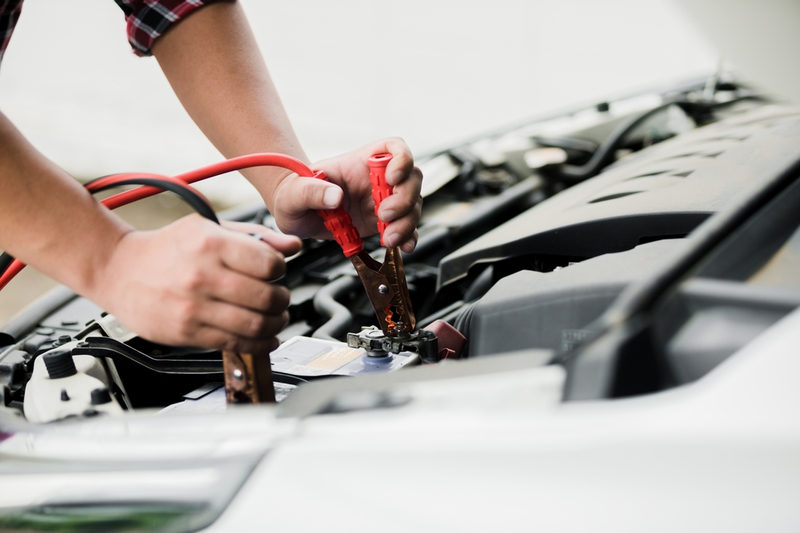
At some point, you will probably encounter a dead battery.
Knowing how to use jump leads or a portable jump starter can save a long wait for breakdown recovery. Procedures can vary between vehicles, particularly hybrids, EVs and cars with sensitive electronics, so follow the manufacturer’s instructions rather than assuming every car is the same.
If using jump leads, make sure you know the correct connection order first.
Change Basic Bulbs and Fuses
A blown headlight, brake light or indicator bulb is often easy to replace, although some modern cars make access ridiculously awkward. Your handbook should identify the correct bulb and explain how to reach it.
Fuses are also worth understanding. If an electrical item suddenly stops working, a blown fuse could be responsible. The handbook should show the fuse-box locations and what each fuse controls.
Always replace a fuse with one of the same rating. A bigger fuse is not an upgrade.
Learn What Your Car Is Telling You
Possibly the most useful skill is simply paying attention.
You do not have to diagnose every rattle like a veteran mechanic. You just need to notice when something changes.
A vibration through the steering wheel, grinding under braking, a puddle beneath the car, a temperature gauge climbing unusually high or a warning light that stays on should not be ignored because the car still starts.
Learn the main dashboard warning lights and which ones mean “book it into a garage” and which mean “stop driving now”. That basic awareness can save you a fortune.
You Do Not Need to Become a Mechanic
Knowing how to maintain a car does not mean rebuilding an engine on the driveway.
There is a sensible line between straightforward DIY jobs and work that needs proper expertise. Brakes, airbags, high-voltage systems and major mechanical repairs are not areas for confident guesswork.
But checking fluids, looking after tyres, changing a wheel and dealing with a flat battery are basic skills worth having.
You might only use some of them once every few years. When you do need them, you will be very glad you bothered to learn.