
James Watt’s Second Best Offer Sounds Good, But Equity Punks Should Know Better By Now
When I wrote about BrewDog’s Equity for Punks scheme, I wasn’t arguing that it was some clear-cut criminal scam. The point was more uncomfortable than that.
It was about trust, branding, and the gap between what people thought they were buying into and what they actually ended up with.
Now James Watt, BrewDog’s co-founder, is back with a new beer company called Second Best. And this time, he is offering former Equity Punks free shares in the new business.
On the surface, that sounds like a decent gesture. Maybe even a surprisingly decent one. But after everything that happened with BrewDog, I think Equity Punks have earned the right to look at this with one eyebrow raised.
What Second Best Is Offering
The offer is simple enough.
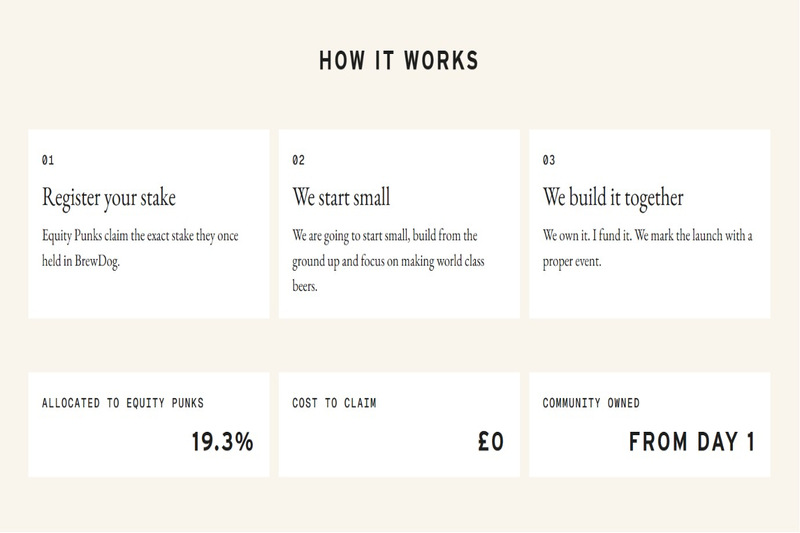
Former BrewDog Equity Punk investors can register to claim the same equity stake they once held in BrewDog, but this time in Second Best. Watt says there is no cash required, no catch, and that up to 19.3% of the new company will be allocated to former BrewDog investors.
He has also described these people not as shareholders, but as “Second Founders”, which is either a clever bit of community language or the first warning sign that the marketing machine has already been switched back on.
The new business does not appear to be fully launched yet. The Second Best website says there is no launch date and that the company still needs the relevant licences and consents. It also says the information currently available reflects “indicative intentions” and does not constitute a financial promotion.
That bit matters.
Because right now, this is not money landing in anyone’s bank account. It is not compensation. It is not BrewDog investors being made whole. It is the promise of a free stake in a new startup beer company that may or may not become valuable one day.
Free Is Still Better Than Nothing
View this post on Instagram
To be fair, free shares are better than no shares.
If you were an Equity Punk who lost your original investment, there is no obvious downside to claiming them, assuming the process does not involve handing over anything sensitive beyond what is reasonably needed to verify your old shareholding.
I put about £300 into Equity for Punks. If Second Best gives me a tiny free stake in a new beer company, I’ll probably claim it. Why wouldn’t I?
But I also won’t confuse it with redemption.
The original problem with Equity for Punks was not just that the shares became worthless. Anyone investing in a private company should know that can happen. The deeper problem was that BrewDog sold people a feeling. It made ordinary drinkers feel like they were part of a rebellion, part of the business, part of something anti-corporate.
Then, when serious money arrived and things went wrong, the ordinary backers ended up at the back of the queue.
That is the bit a free slice of Second Best cannot automatically fix.
The Same Trick, Or A Genuine Second Chance?
This is where the whole thing gets interesting.
Second Best might genuinely be Watt trying to put something right. He has said he feels an obligation to Equity Punks, and this could be his way of giving them another chance to benefit from a beer company he builds.
That deserves some credit.
But it is also very convenient.
Watt is not launching this new business in a vacuum. He is launching it after BrewDog’s reputation has taken a battering, after small investors were left with nothing from the sale, and after years of criticism over whether the original “punk” image ever really matched the corporate reality.
Offering free shares to former Equity Punks immediately gives Second Best a ready-made community, a story, a mailing list, and a redemption arc.
That does not make it wrong. It does make it very smart.
And if there is one thing BrewDog was always brilliant at, it was turning business decisions into stories people wanted to believe in.
The Word “Founder” Is Doing A Lot Of Work
Calling former investors “Second Founders” is the part I struggle with most.
It sounds flattering. It makes people feel important. It suggests this time everyone is building from the ground up together.
But unless those people have meaningful voting rights, clear information, proper protection against dilution, and a realistic route to value, then “Second Founder” is mostly a nice label.
That was one of the lessons from Equity for Punks. Owning a tiny piece of a private company is not the same as having influence. It does not mean you get a real say. It does not mean you can sell when you want. It does not mean later investors will not get better terms.
So before anyone gets carried away with the romance of a second shot, the questions should be boring and practical.
What class of shares are being issued? Can they be diluted? Will future investors get preference rights? Can ordinary holders ever sell? What happens if Second Best raises outside money? What information will shareholders receive? What happens if the company is sold?
That is the stuff that matters. Not the branding. Not the launch party. Not the warm feeling of being invited back into the gang.
Second Best Has To Be Judged Differently
The funny thing is, Second Best might actually have a better chance of being the business BrewDog claimed to be.
Starting smaller is sensible. Focusing on beer quality rather than building a sprawling bar empire sounds sensible. Giving former investors a free stake rather than asking them for more money is sensible.
But this time, nobody should confuse sensible with sentimental.
Equity Punks have already bought the dream once. Some got discounts and a few decent memories out of it. Many got a harsh lesson in private company investing. What they did not get was the ending they were sold emotionally, even if the paperwork said otherwise.
So yes, claim the shares if you are eligible. Take the free stake. Follow the story. Try the beer when it arrives.
But do it with your eyes open.
Second Best may turn out to be a genuine attempt to make good on an old promise. It may become a leaner, better, more honest beer company. It may even create some value for the people who backed BrewDog first time round.
But it has not done any of that yet.
For now, it is an interesting gesture, a clever comeback story, and a free ticket to watch James Watt try to rebuild trust in public.
That is worth paying attention to. It is not worth blindly believing in.