
For something as simple as removing hair from your face, there are a surprising number of ways to do it.
Walk into any supermarket or chemist and you’ll find cartridge razors, safety razors, electric foil shavers, rotary shavers, beard trimmers, body groomers and more. If you’re new to shaving—or just fancy trying something different—it can be difficult to know what each one actually does.
Here’s a straightforward guide to the different types of shaving kit and who they’re best suited to.
Cartridge Razors
For most men, this is where shaving starts.
A cartridge razor uses disposable heads containing several blades, usually between three and five. The handle is kept, while the cartridge is replaced when it becomes blunt.
They’re popular because they’re easy to use. The pivoting head follows the contours of your face, making it difficult to cut yourself, and they give a very close shave with minimal effort.
The downside is the cost. Replacement cartridges aren’t cheap, and if you shave every day you’ll get through quite a few over the course of a year.
Best for: Men who want a quick, comfortable shave with as little fuss as possible.
Safety Razors
Long before five-blade cartridges existed, men shaved with safety razors.
These use a single double-edged blade that costs pennies to replace. Although they look old-fashioned, they’ve become increasingly popular again in recent years.
The main advantage is value. Once you’ve bought the razor itself, replacement blades are incredibly cheap compared with cartridge systems.
Many men also enjoy the ritual. A proper shaving brush, quality shaving soap and a safety razor turn shaving from a two-minute chore into something you actually enjoy.
There is a learning curve, though. You need the correct angle, light pressure and a bit of patience. Rush it and you’ll probably end up with a few nicks.
Best for: Men who enjoy traditional shaving and want to save money over the long term.
Straight Razors
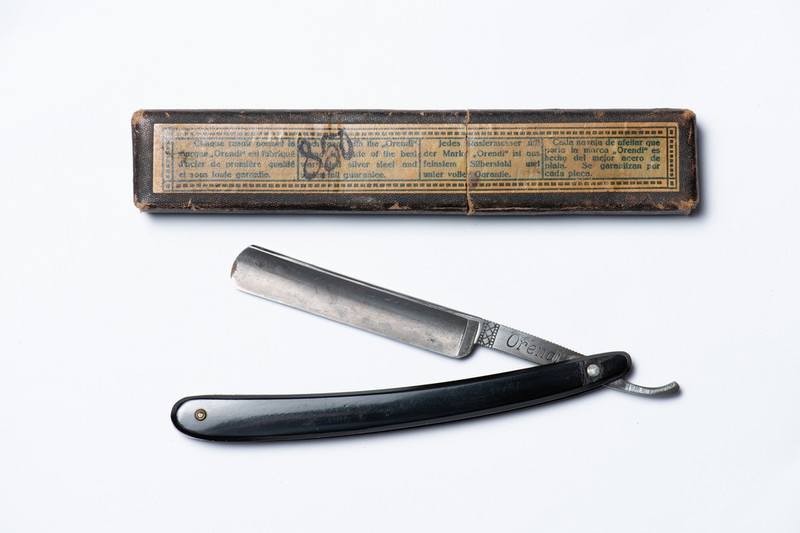
The classic barber’s razor.
Straight razors fold into their handles and have a single exposed blade that requires regular sharpening and stropping to maintain its edge.
They offer a fantastic shave in experienced hands, but they’re definitely not beginner-friendly. They require skill, confidence and maintenance that most men simply don’t want.
Unless you’re genuinely interested in traditional wet shaving as a hobby, there’s little practical reason to choose one today.
Best for: Enthusiasts who enjoy traditional grooming.
Disposable Razors
The cheapest option on the shelf.
Disposable razors combine a plastic handle and blade into one unit, which is thrown away once it becomes blunt.
They’re useful for holidays, festivals or keeping in an overnight bag, but the shave usually isn’t as close or comfortable as better-quality systems.
For everyday use, most men will quickly outgrow them.
Best for: Travel or occasional use.
Electric Foil Shavers
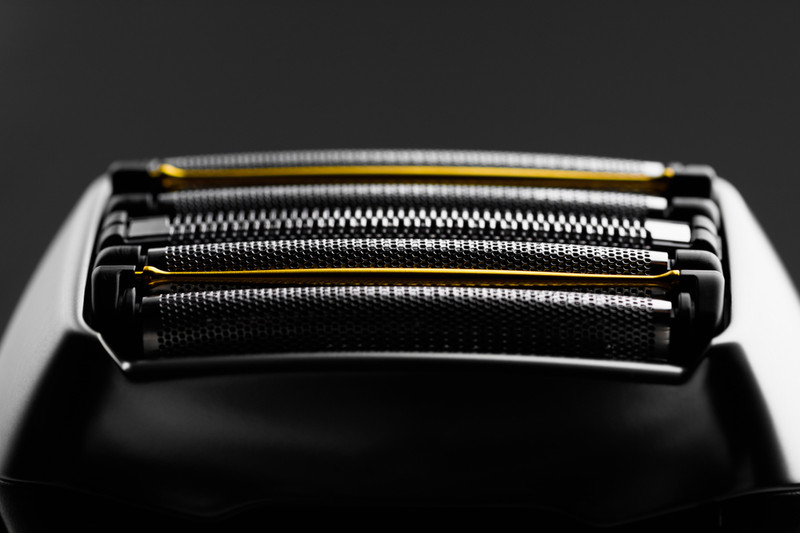
If you’ve ever seen an electric shaver with a flat metal head covered in tiny holes, you’ve seen a foil shaver.
Underneath the foil, blades move rapidly from side to side, cutting hairs as they pass through the holes.
Foil shavers generally provide the closest shave you’ll get from an electric razor. They’re particularly good if you shave every day or every other day.
The trade-off is that they don’t cope especially well with longer stubble. Leave your beard for several days and they can struggle.
Best for: Men who shave frequently and want speed without using shaving foam.
Rotary Electric Shavers
Recognisable by their three circular heads, rotary shavers work differently.
Each head rotates independently, making them particularly good at following the contours of your jaw and neck.
They also cope better with longer or uneven facial hair than foil shavers, making them ideal if you don’t shave every day.
Some men find they aren’t quite as close as a foil razor, but they’re often more forgiving on awkward areas.
Best for: Men with thicker beards or who only shave a few times a week.
Beard Trimmers
A beard trimmer isn’t really designed for shaving at all.
Instead, it’s made to keep facial hair at a chosen length using adjustable guards or combs.
Whether you want permanent designer stubble, a neatly trimmed beard or simply want to tidy your sideburns, this is the tool you need.
Most beard trimmers won’t leave your face completely smooth. Even without a guard, they’ll usually leave a tiny amount of stubble behind.
That’s exactly what many men want.
Best for: Anyone keeping stubble or a beard.
Precision Trimmers
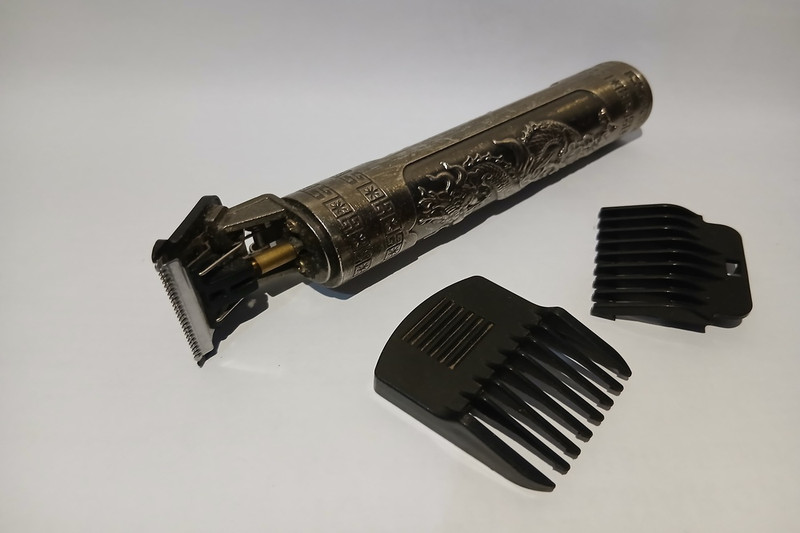
Many electric shavers now include a pop-up precision trimmer, while dedicated versions are also available.
These are designed for detail work rather than removing large amounts of hair.
They’re useful for defining beard lines, trimming around the ears, tidying sideburns or shaping a moustache.
Think of them as the finishing tool rather than the main event.
Best for: Keeping facial hair looking sharp.
Body Groomers
Facial hair isn’t the only hair men choose to trim.
Body groomers are designed for chest hair, underarms, back hair and intimate areas. They usually feature guards, rounded blades and designs intended to reduce the risk of cuts on sensitive skin.
While some men simply use a beard trimmer, dedicated body groomers are generally safer and more comfortable for the job.
Best for: Grooming anywhere below the neck.
Which One Should You Choose?
There’s no single “best” shaving tool—it depends entirely on how you wear your facial hair.
If you’re clean-shaven every day, a cartridge razor or foil shaver makes the most sense. If you only shave occasionally, a rotary electric razor may suit you better.
If you’ve grown a beard, you’ll almost certainly want a beard trimmer rather than a razor. And if you enjoy the ritual of shaving, it’s worth giving a safety razor a try.
Many men actually own more than one. A beard trimmer for everyday maintenance, a cartridge razor for special occasions, and perhaps an electric shaver for busy mornings isn’t an unusual combination.
The important thing is understanding what each tool is designed to do. Once you know that, choosing the right one becomes much easier.